
Interior Layout Psychology: How Furniture Placement Shapes Mood, Flow, and Well-Being Designing a Home That Feels as Good as It Looks
Interior design isn’t just about aesthetics—it’s also about the placement of furniture, which can deeply affect how a space makes you feel. From the position of your sofa to the direction your bed faces, every design decision can influence your mood, focus, comfort, and energy.
This concept, known as interior layout psychology, explores how the placement of furniture and the flow of a room impact the way we think, feel, and live in our homes. Whether you’re designing a studio apartment, a family home, or just refreshing your favorite room, thoughtful layout choices can turn any space into a sanctuary of balance, purpose, and well-being.
In this guide, we’ll uncover the principles of furniture placement, the psychological effects of layout, and practical tips to help you design with intention.
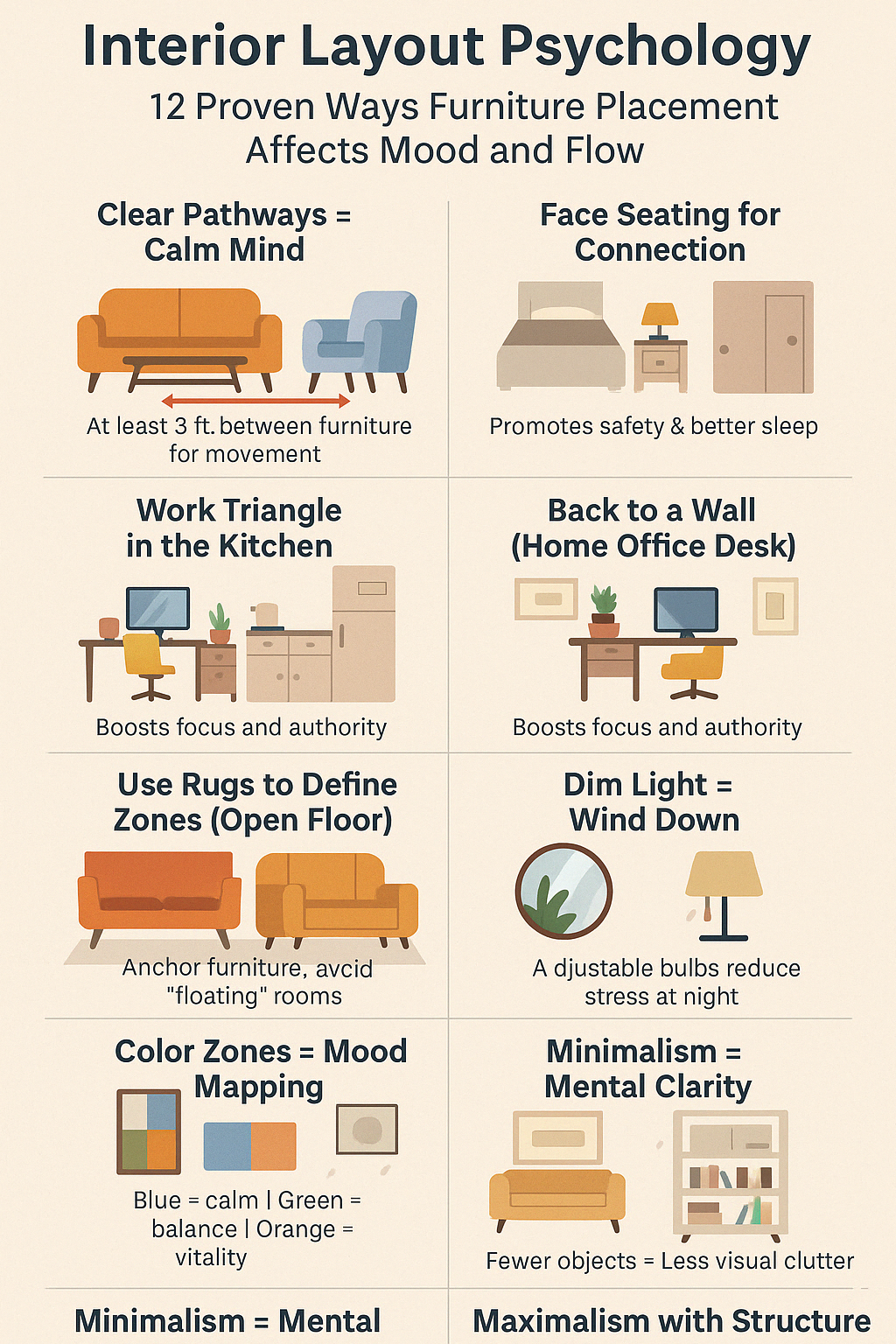
1. Why Interior Layout Affects Mental Well-Being
The way your space is arranged can:
- Influence how relaxed or stressed you feel
- Impact your productivity or creativity
- Promote connection or isolation
- Encourage restorative behaviors, like sleeping well or spending quality time with others
Research in environmental psychology shows that well-structured environments enhance mood, promote positive habits, and reduce mental clutter.
In short: where you place your furniture matters—deeply.
2. The Psychology of Space and Flow
A well-designed layout promotes visual harmony and physical movement. When rooms feel cramped, imbalanced, or awkward, it can subconsciously trigger tension and discontent.
What to Aim For:
- Clear pathways (at least 3 feet wide) between major zones
- Balanced symmetry that feels grounded but not rigid
- “Breathing room” between furniture and walls
- Functional zoning for activities like relaxing, dining, working
Pro Tip: Test the flow of your space by walking through it as if you’re hosting guests—observe any tight corners or furniture that interrupts movement.
3. Living Room Placement of Furniture for Comfort & Connection
Your living room sets the tone for the entire home. Its layout should invite rest, conversation, and calm.
Psychological Priorities:
- Connection: Arrange sofas and chairs to face each other, not just the TV
- Security: Place seating against a wall or with a clear view of the entry point
- Comfort: Avoid oversized furniture that overpowers the room
- Balance: A centered coffee table and rug ground the space and create cohesion
Pro Tip: Use a mix of textures (pillows, throws, rugs) to add warmth and sensory comfort.
4. The Bedroom: Your Sleep Sanctuary
The layout of your bedroom plays a critical role in your sleep quality and emotional restoration.
Ideal Bedroom Layout Tips:
- Bed placement: Facing the door but not directly in line with it fosters a sense of security (a principle from Feng Shui)
- Nightstand symmetry: Balances energy and creates visual calm
- Clutter-free zones: Keep pathways and the area under your bed clear
- Limit distractions: Avoid placing a desk, workout equipment, or TV where your body should associate rest
Pro Tip: Use blackout curtains and soft ambient lighting to signal the brain it’s time to unwind.
5. Kitchen and Dining Areas: Layout That Nurtures Nourishment
The kitchen is a place of both productivity and togetherness. The layout here should support efficiency and social interaction.
Psychological Layout Considerations:
- Work triangle: Ensure easy access between the stove, sink, and fridge
- Open sightlines: Encourage conversation and connection while cooking
- Dining table placement: Center it in the room and allow at least 36 inches around for chairs and movement
- Seating orientation: Round or oval tables promote inclusive conversation; rectangular tables create hierarchy
Pro Tip: Use warm lighting (2700K–3000K) over your dining space to enhance appetite and conversation.
6. Home Office: Productivity Meets Focus
An effective office layout helps reduce mental fatigue, improve concentration, and create psychological separation between work and home life.
Best Practices:
- Desk direction: Face a wall (for focus) or a window (for creativity), but avoid direct glare
- Chair placement: Position your back to a wall for a sense of safety and authority
- Zoning: Define boundaries with rugs, shelves, or curtains in multipurpose rooms
- Storage: Keep clutter out of sight to promote mental clarity
Pro Tip: Add plants, daylight lamps, and vertical storage to elevate focus and well-being.
7. Entryways and First Impressions
Your entryway isn’t just transitional—it sets the emotional tone for the rest of your space.
What to Include:
- A clear path from the door to the next room
- A landing spot (bench, console table, or hooks) to ease entry/exit
- Good lighting to signal warmth and safety
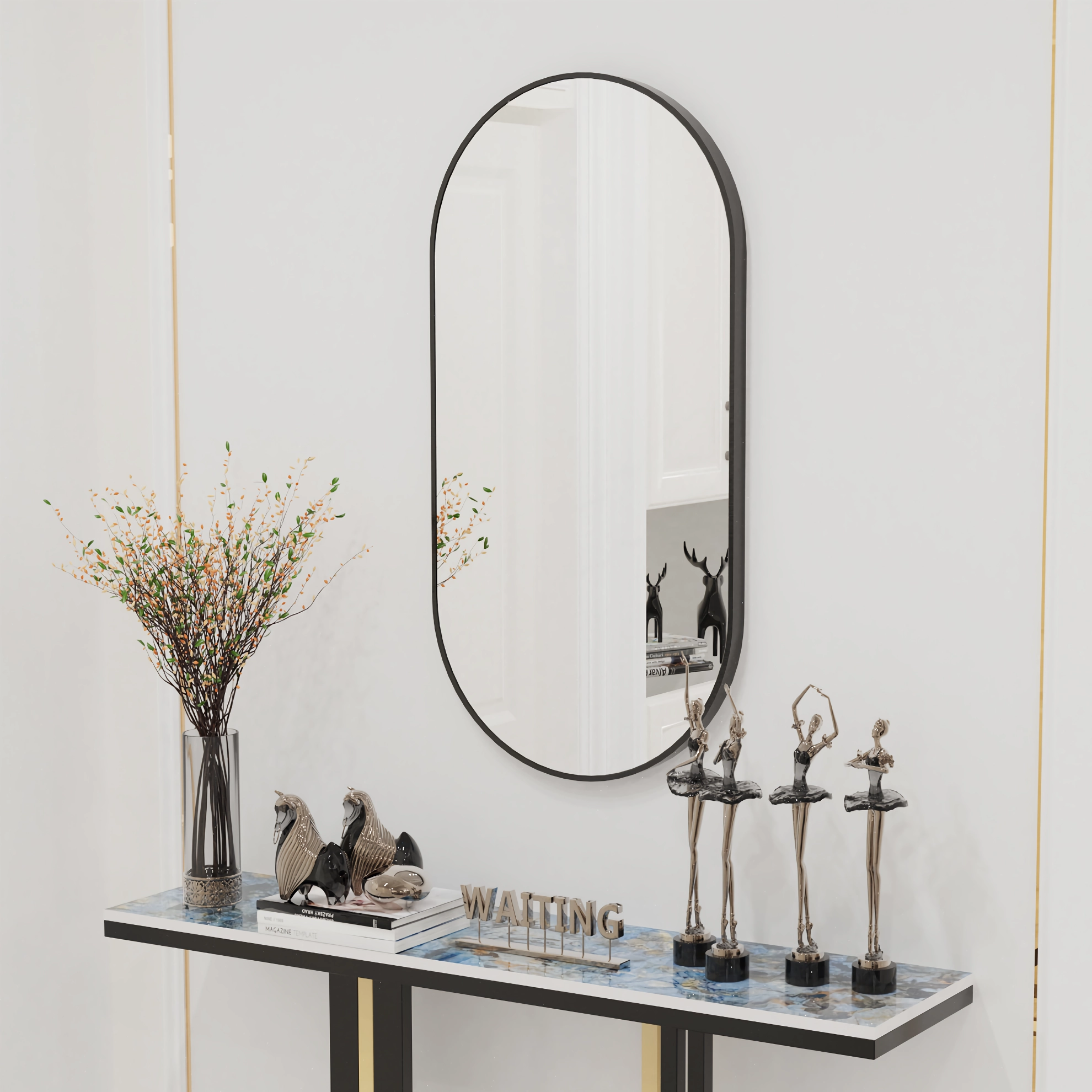
- A mirror to expand space and add brightness
Pro Tip: Keep your entry decluttered to reduce stress and promote a welcoming energy.
8. Zones and Spatial Psychology in Open-Plan Layouts
Open floor plans are modern and flexible—but without structure, they can feel overwhelming and chaotic.
How to Define Zones:
- Use area rugs to anchor different spaces (living, dining, reading)
- Position furniture to “build walls” (e.g., a sofa back defines the living area)
- Add vertical dividers like bookcases or sheer curtains
- Use lighting and ceiling height changes to delineate space subtly
Pro Tip: Maintain a consistent color palette across zones for visual harmony.
9. The Role of Lighting in Psychological Layout
Lighting is often overlooked—but it’s one of the most powerful mood-setting tools in interior design.
Types of Lighting to Include:
- Ambient: General lighting (ceiling lights or large lamps)
- Task: Focused light for reading, cooking, or working
- Accent: Decorative lighting that adds atmosphere and visual interest
Psychological Tricks:
- Dim lights in the evening help cue restfulness
- Natural light boosts serotonin, reduces anxiety
- Warm tones promote calm; cool tones boost focus
Pro Tip: Install smart bulbs with adjustable color temperatures to align lighting with your activity and circadian rhythm.
10. Mirrors, Sightlines, and Spatial Energy
Mirrors aren’t just decorative—they reflect energy, expand space, and improve light distribution.
Strategic Placement:
- Across from windows to amplify natural light
- Near entryways to create a sense of spaciousness
- Opposite seating to encourage openness and social flow
Avoid placing mirrors where they reflect clutter or fragment the space visually.
Pro Tip: Curved or organic-shaped mirrors soften hard angles and promote ease.
11. The Impact of Color & Texture in Layout Psychology
While this guide focuses on placement, color and texture can reinforce layout impact by shaping emotion and comfort.
Harmonious Design Ideas:
- Cool colors (blues, greens) in rest zones
- Warm tones (oranges, earth hues) in gathering spaces
- Soft materials (rugs, cushions, drapes) where you want to slow down
- Sleek surfaces (glass, metal) in spaces designed for focus or energy
Pro Tip: Layering textures (e.g., velvet, linen, wood) enhances sensory experience and balance.
12. Minimalism vs. Maximalism in Layout
There’s no one-size-fits-all design style—but how much furniture and décor you include deeply affects spatial psychology.
Minimalism:
- Clean, clutter-free layout
- Easier visual flow
- Promotes calm and intentional living
Maximalism:
- Layered, expressive arrangement
- Energizing, cozy feel
- Requires thoughtful zoning to avoid visual overload
Best Practice: Regardless of style, every item should have a purpose—functional or emotional.
Final Thoughts: Layout Is a Language of Emotion
At its core, interior layout psychology is about understanding the connection between space and feeling. Every time you move a chair, clear a path, or center a table, you’re shaping the way people feel in your home—whether they realize it or not.
When you design your space with intention and awareness, you create more than a beautiful home. You craft an environment that heals, energizes, and inspires.
So next time you rearrange your furniture, don’t just ask if it looks good. Ask how it feels. Because in a truly well-designed home, form follows feeling.
Explore the Look:
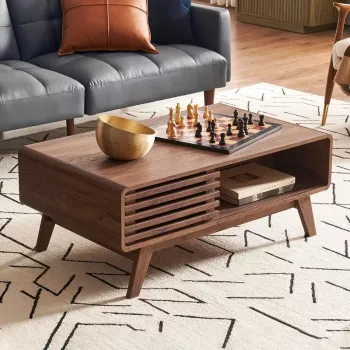
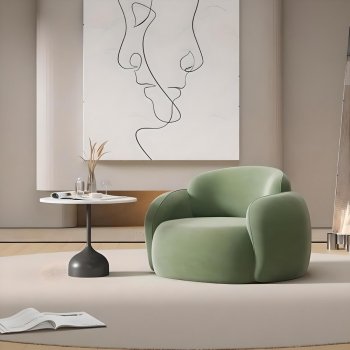
Browse handpicked home accents and furniture that support wellness, comfort, and modern flow at Alchemique.com.

Comments
[…] Apart from delivering an immersive viewing experience, investing in a laser projector can also increase your home’s value by transforming your living space into a modern entertainment hub. For more insights on cutting-edge tech and lifestyle upgrades, explore our latest articles on Dolce & Gabbana legacy fashion, professional drones, and interior layout psychology. […]
[…] Looking to enhance your home’s functionality and your pet’s comfort? Explore the power of interior layout psychology to shape mood and flow, and discover how innovations like the automatic litter box for multiple cats can simplify everyday life. From smart home upgrades to travel accessories for babies and pets, there’s a growing range of solutions tailored to modern lifestyles. […]








Leave a comment
You must be logged in to post a comment.